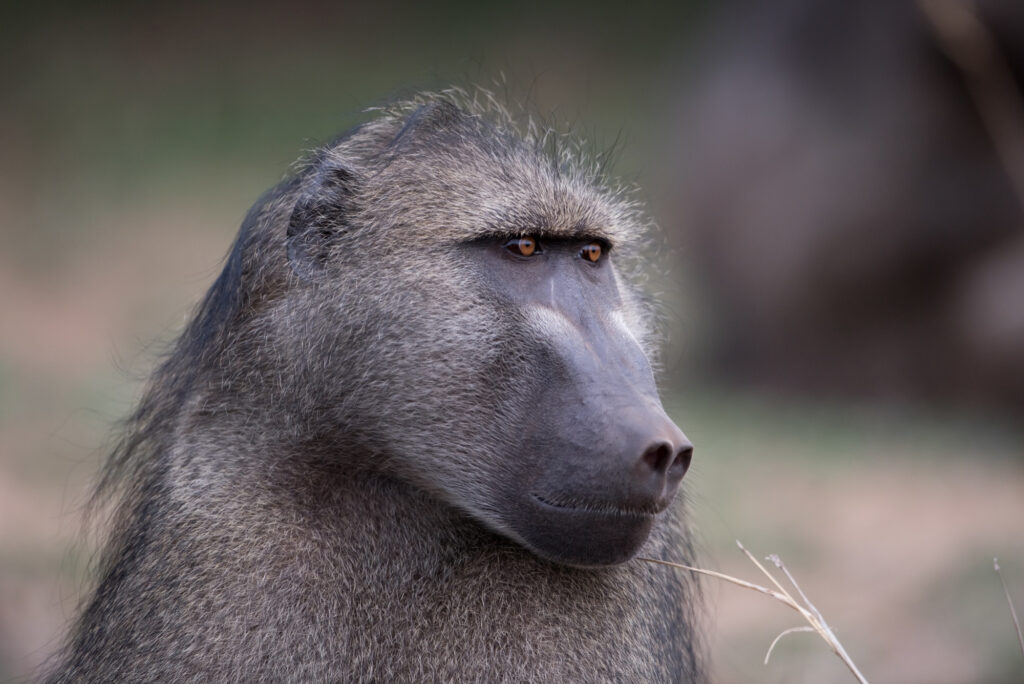
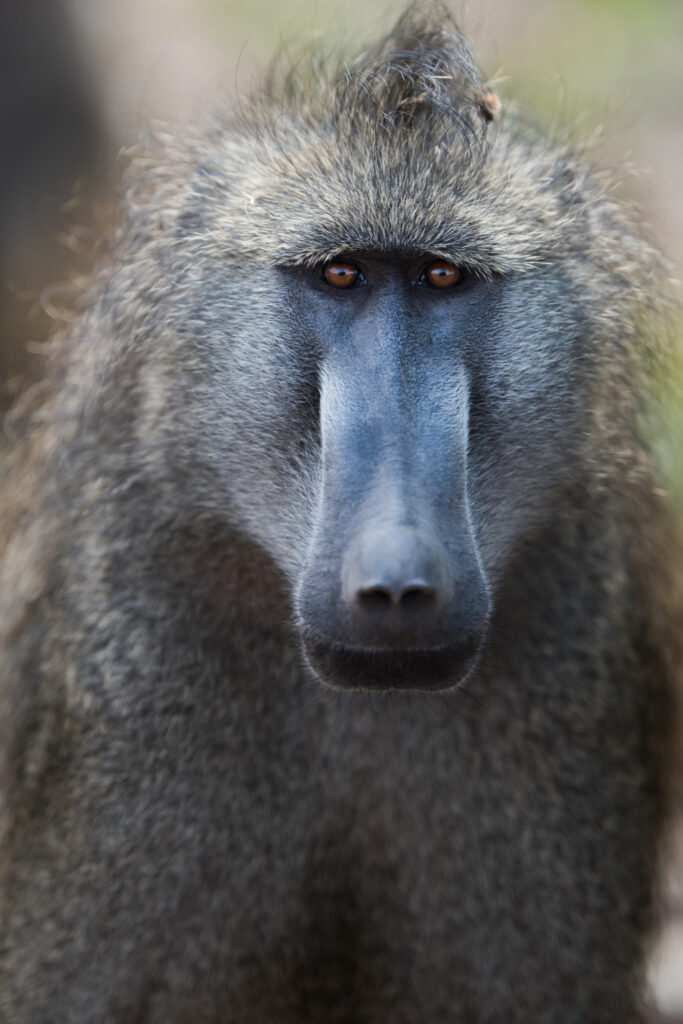
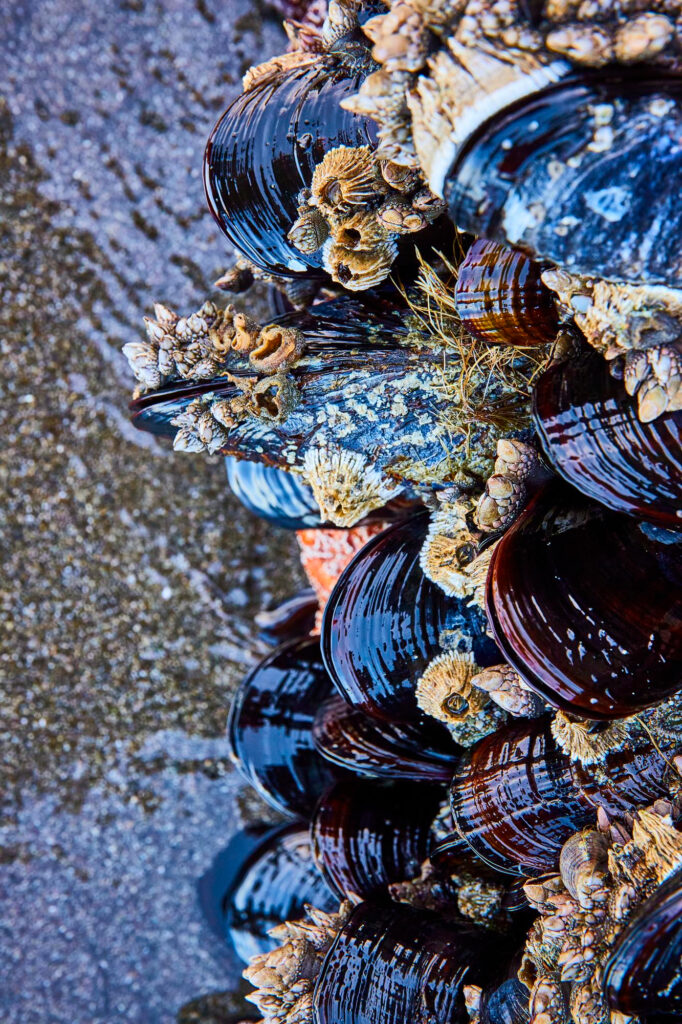
Imagine a beach with Chacma baboons (Papio ursinus)! That is precisely what you will see at Cape Point. However, they are not your typical baboons. They have learned to find their meal in the water by looking for delicious seafood. It is an uncommon and fascinating behaviour that demonstrates the intelligence and adaptability of these animals.
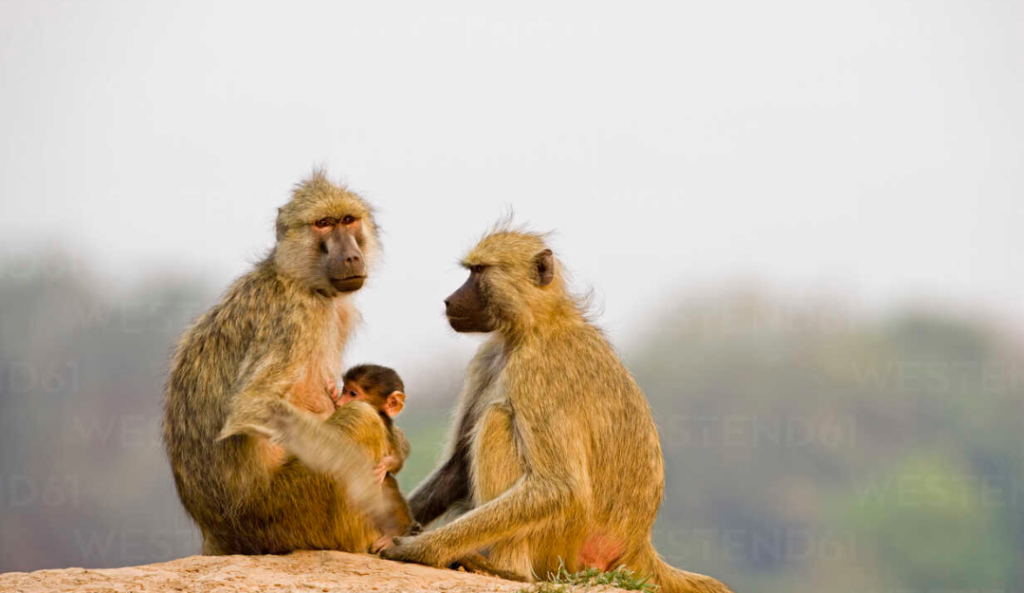
One of only two baboon groups in the world that have been seen taking advantage of maritime resources is Cape Point’s baboons, and the other is a colony of yellow baboons (Papio cynocephalus) in coastal Somalia. Primates are not the only animals that forage in the sea; long-tailed macaques (Macaca fascicularis) in Southeast Asia also consume marine foods and even utilise tools to harvest tidal seafood. However, the Cape Peninsula baboons are unique in that they have adapted to a temperate coastal climate, which adds interest in their foraging behaviours.
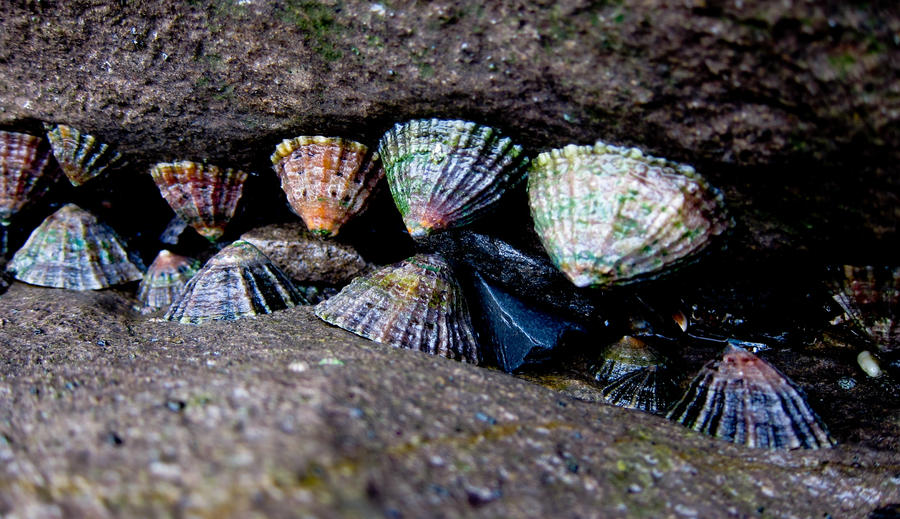
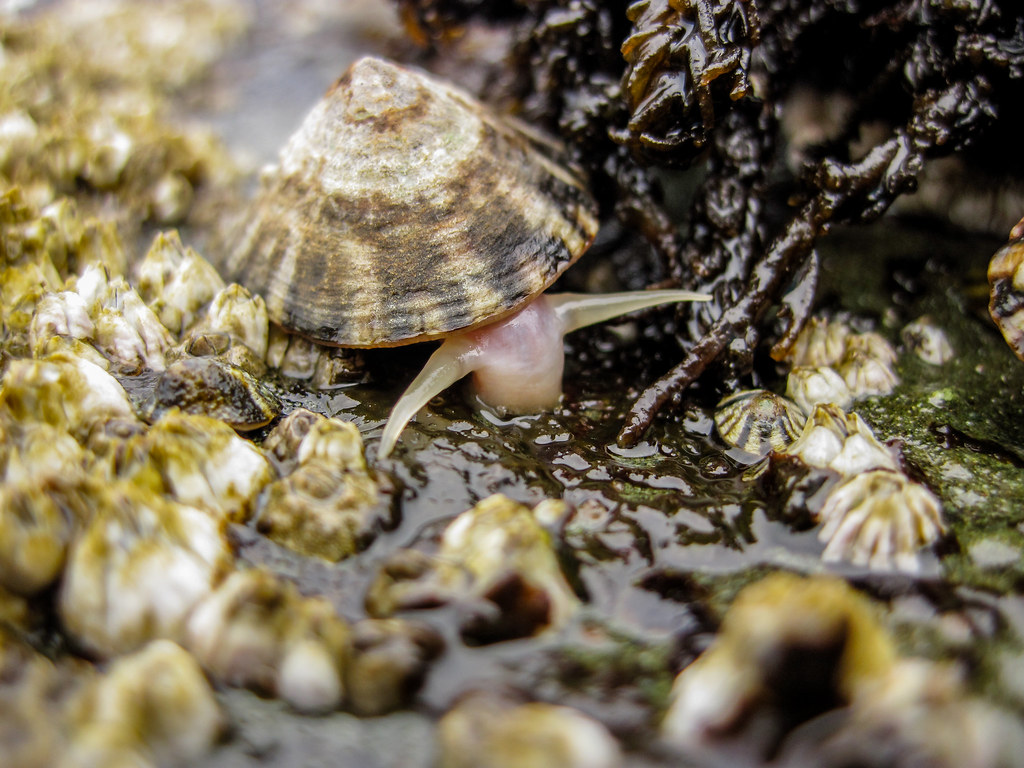
These baboons travel to Cape Point’s rocky beaches and tidal pools in quest of high-protein snacks during calm weather and low tide. To obtain the nutrient-dense meat within, they have been observed splitting apart mussels, removing the tips of limpets, and removing them from rocks. The menu also includes shark eggs, crabs, and millions of tiny beach hoppers, which are flea-like animals that swarm beneath decaying seaweed.
It’s interesting to note that although they frequently touch seaweed and sea algae, they do not consume them. Rather, they shuffle the seaweed while looking for other tasty delights beneath.
The Science Behind Their Unique Diet
When Matthew Lewis, a UCT researcher, observed these baboons at Cape Point, he aimed to determine the amount of seafood in their diet. Through a combination of geographical monitoring, direct behavioural observations, and stable isotope analysis of hair and faecal samples, he found that fewer than 3% of the baboons’ overall eating time from all seasons included marine foraging. Even though seafood is readily available, their capacity to depend on marine resources is constrained by several circumstances. The baboons’ seafood feast depends on nature’s mood. Weather, wind, waves, and tides all play a huge role. Finding calm spots to eat is tough, so they really must work for their ocean snacks.
Nutrient Stress, Survival, and a Rare Wildlife Experience
Comparing the Cape Point baboons to other baboon tribes in Southern Africa, they are nutritionally deficient even though they have access to seafood that is high in protein. Given their greater home range, longer daily travel times, and increased time spent looking for food, it is likely that the abundance of marine food sources is unable to address their nutritional needs. This behaviour suggests that occasional seafood consumption may be essential to primate survival, providing insight into the ecology and development of their diet. Knowing their eating patterns can assist in guiding management plans and conservation initiatives for the Cape Peninsula’s baboons.
At Platboom Beach, visitors to Cape Point may observe this unusual foraging habit in action as the animals carefully choose and harvest marine delights while navigating the area between the tidal pools. Given their little likelihood of interacting with people, the baboons of Cape Point’s Kanonkop group are remarkable in the way they forage for seafood.
The Cape Point marine-foraging baboons are proof of the adaptability and endurance of animals. They provide a unique viewpoint on dietary evolution and demonstrate the complexity of animal behaviour by taking advantage of an unusual food supply. Whether you’re a wildlife enthusiast, nature lover, or just interested in the wonders of nature, these baboons who enjoy seafood will amaze you.
Next time you visit Cape Point, take a moment to appreciate the incredible adaptability of these primates. Who knows? You might just catch a glimpse of them feasting on a fresh ocean snack!